According to Colorado State University, as many as 50% of pets die of cancer, making it a leading cause of pet death. With loads to worry about and treatments being insanely expensive, what can you do now to help prevent cancer in the future?
10 Dog Foods that May Lead to Cancer by Vet Tech blog, lists foods and additives which have been known to cause illness in humans and are also a good choice to stay away from in all pet and people foods.
Tampilkan postingan dengan label health. Tampilkan semua postingan
Tampilkan postingan dengan label health. Tampilkan semua postingan
Kamis, 13 Januari 2011

Selasa, 11 Januari 2011
Honey - another Chinese import to worry about
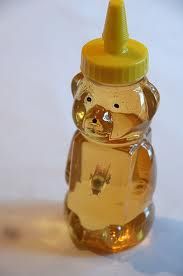 As crime sagas go, a scheme rigged by a sophisticated cartel of global traders has all the right blockbuster elements: clandestine movements of illegal substances through a network of co-operatives in Asia, a German conglomerate, jet-setting executives, doctored laboratory reports, high-profile takedowns and fearful turncoats.
 What makes this worldwide drama unusual, other than being regarded as part of the largest food fraud in U.S. history, is the fact that honey, nature’s benign golden sweetener, is the lucrative contraband.
What consumers don’t know is that honey doesn’t usually come straight – or pure – from the hive. Most honey comes from China, where beekeepers are notorious for keeping their bees healthy with antibiotics banned in North America because they seep into honey and contaminate it; packers there learn to mask the acrid notes of poor quality product by mixing in sugar or corn-based syrups to fake good taste.
None of this is on the label. Rarely will a jar of honey say “Made in China.” Instead, Chinese honey sold in North America is more likely to be stamped as Indonesian, Malaysian or Taiwanese, due to a growing multimillion dollar laundering system designed to keep the endless supply of cheap and often contaminated Chinese honey moving into the U.S., where tariffs have been implemented to staunch the flow and protect its own struggling industry.
Continue to read this fascinating story ...
Sabtu, 27 Juni 2009
A horse is a horse, of course, of course
 In an effort to stop vets' drugs from entering human diets, the nations of continental Europe, where two million horses are reportedly eaten every year, will be enforcing a new law requiring horse owners to sign a pledge that their horses will not be eaten.
The new regulations come into force on July 1. Horses born after this date, and those born before June 30 who have not been issued a horse passport, will also have a microchip implanted.
A spokesman for the Department for the Environment Food and Rural Affairs said: "Horse passports will clearly identify those horses which are not eligible for the food chain if they have been treated with substances which are potentially harmful to humans.
Source
Photo: PA
Rabu, 24 Juni 2009
You can catch MRSA from animals
 An infectious superbug, a strain of bacteria known as MRSA, which has evolved a resistance to antibiotics, has long plagued hospitals but in recent years has become more common in homes. About two years ago, scientists began to suspect that pets can spread this bacteria.
In the July edition of The Lancet Infectious Diseases, Richard Oehler of the University of South Florida College of Medicine and colleagues lay out the latest thinking on MRSA (methicillin-resistant Staphylococcus aureus) and pets.
The infections can be transmitted by animal bites and most threaten young children, the researchers note. "MRSA colonization has been documented in companion animals such as horses, dogs, and cats, and these animals have been viewed as potential reservoirs of infection."
"Bites to the hands, forearms, neck, and head have the potential for the highest morbidity," the scientists warn. They conclude: "Much more remains to be learned about MRSA and pet-associated human infections."
Source
Photo from Flickr, by GrahamIX
Minggu, 07 Juni 2009
Langganan:
Postingan (Atom)


